
Creating a robust business plan is more than just a formality; it's a critical step towards securing funding, attracting partners, and ultimately, achieving sustainable growth. A well-structured business plan provides a clear, concise roadmap for your venture, outlining your goals, strategies, and how you intend to execute them. It's an invaluable tool for entrepreneurs and business owners alike, offering a framework for making informed decisions and mitigating risks. Business Plan Template is the foundation upon which many successful businesses are built. This guide will walk you through the essential components of a comprehensive business plan, providing you with the knowledge and tools to create a plan that truly reflects your vision. Let's dive in.
Understanding the Importance of a Business Plan
Before we delve into the specific sections, it's important to understand why a business plan is so vital. A business plan isn't just for securing investment; it's a dynamic document that guides your business through its formative stages. It helps you:
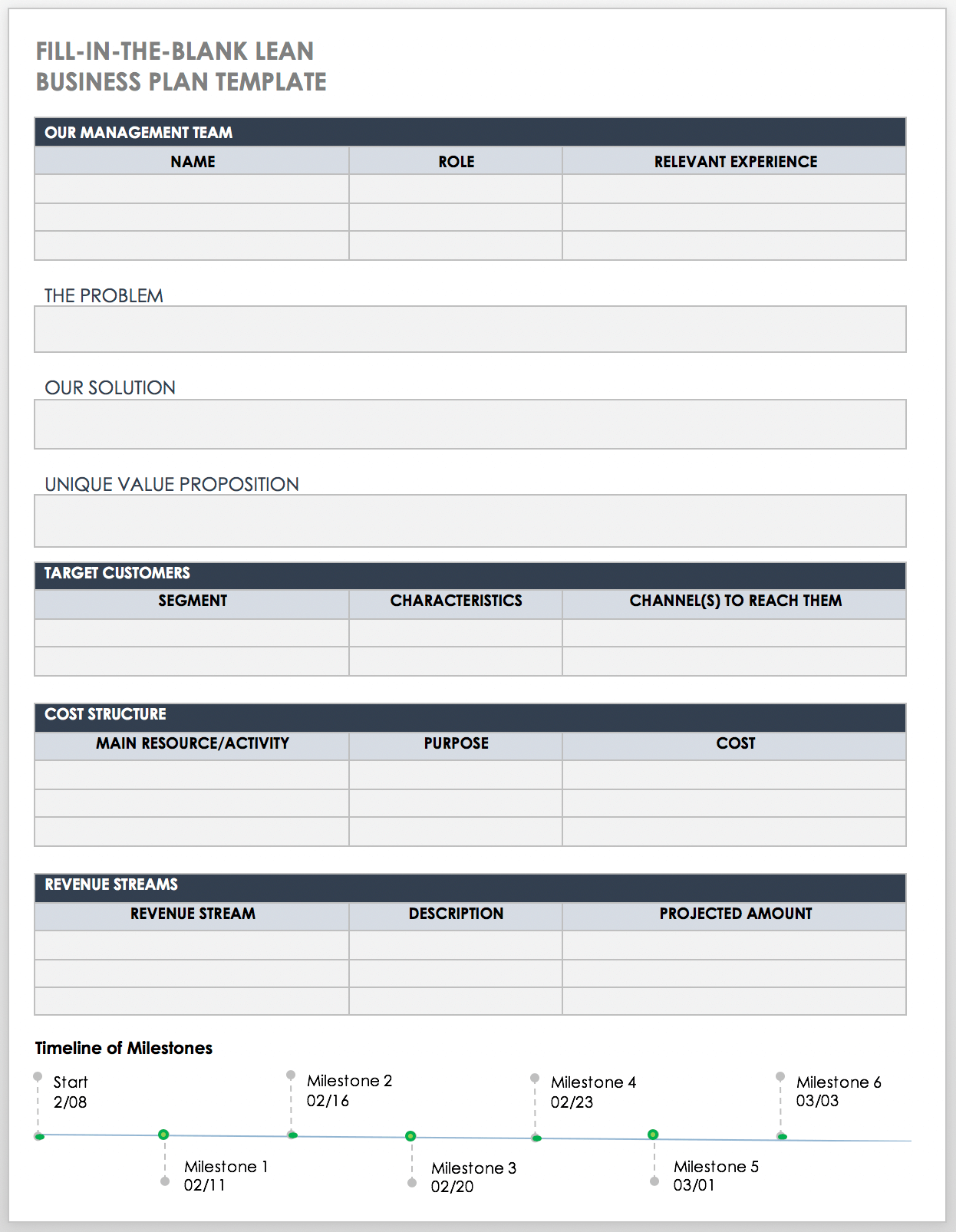
- Clarify Your Vision: Define your business idea and articulate its unique value proposition.
- Assess Market Opportunity: Analyze the market size, competition, and potential demand for your product or service.
- Develop a Strategic Roadmap: Outline your operational plans, marketing strategies, and financial projections.
- Secure Funding: A well-crafted plan is essential for attracting investors, lenders, and grant opportunities.
- Manage Risk: Identify potential challenges and develop contingency plans to address them proactively.
A poorly written or incomplete business plan can be a significant obstacle to success. Conversely, a thorough and well-executed plan can dramatically increase your chances of achieving your business goals. Investing the time and effort to create a solid business plan is an investment in your future.
The Core Components of a Business Plan
Let's break down the key sections that comprise a comprehensive business plan. Each section plays a crucial role in providing a holistic view of your business.

1. Executive Summary
The executive summary is arguably the most important part of your business plan. It's a concise overview of your entire plan, typically written after the rest of the document is complete. It should grab the reader's attention and clearly articulate the key elements of your business. Business Plan Template often starts with this section, highlighting the core value proposition and financial projections. It's a brief, compelling summary that will be the first thing potential investors or lenders will read.
2. Company Description
This section provides a detailed overview of your business. It should include:
- Business Name and Legal Structure: Specify your business name and the legal structure (sole proprietorship, partnership, LLC, etc.).
- Mission Statement: Clearly define your company's purpose and values.
- Products or Services Offered: Describe in detail what you offer to customers.
- Unique Selling Proposition (USP): What makes your business different and better than the competition? Why should customers choose you?
- Company History (if applicable): Briefly outline the company's origins and any relevant milestones.
3. Market Analysis
This section demonstrates your understanding of the market you're entering. It's crucial to show that there's a demand for your product or service.
- Industry Overview: Describe the industry you're operating in, including its size, trends, and growth potential.
- Target Market: Define your ideal customer – demographics, psychographics, and buying behavior. Be specific!
- Market Size and Potential: Estimate the total market size and your potential market share. Use reliable data sources.
- Competitive Analysis: Identify your key competitors and analyze their strengths and weaknesses. How will you differentiate yourself?
- SWOT Analysis: A SWOT (Strengths, Weaknesses, Opportunities, Threats) analysis provides a structured overview of your business's internal and external environment.
4. Organization and Management
This section outlines the structure of your business and the key personnel involved.
- Organizational Structure: Describe the organizational chart and reporting relationships.
- Management Team: Introduce the key members of your management team, highlighting their experience and expertise. Include resumes or brief biographies.
- Advisory Board (if applicable): List any advisors or mentors who are providing guidance to your business.
5. Service or Product Line
A detailed description of your products or services, including their features, benefits, and pricing. Consider including:
- Product/Service Specifications: Detailed technical information.
- Development Stage: Where are you in the product development process? (concept, prototype, ready for launch?)
- Intellectual Property: Do you have any patents, trademarks, or copyrights?
6. Marketing and Sales Strategy
This section explains how you plan to reach your target market and generate sales.
- Marketing Plan: Outline your marketing channels (e.g., social media, email marketing, content marketing, advertising).
- Sales Strategy: Describe your sales process, including how you will acquire and retain customers.
- Pricing Strategy: Explain your pricing model and how it aligns with your costs and market value.
- Customer Service Strategy: How will you ensure customer satisfaction?
7. Financial Projections
This is a critical section that demonstrates the financial viability of your business.
- Start-up Costs: List all the initial expenses required to launch your business.
- Revenue Projections: Forecast your sales revenue for the next 3-5 years. Be realistic and support your projections with data.
- Expense Projections: Estimate your operating expenses (e.g., rent, utilities, salaries, marketing).
- Profit and Loss (P&L) Statement: Project your profitability over time.
- Cash Flow Statement: Track the movement of cash in and out of your business.
- Balance Sheet: A snapshot of your company's assets, liabilities, and equity at a specific point in time.
Conclusion
Creating a comprehensive business plan is a significant undertaking, but it's an investment that pays off in the long run. A well-crafted business plan provides a roadmap for success, helps you secure funding, and guides your business through its formative stages. Remember to tailor your plan to your specific business and industry. Business Plan Template is a starting point, but it's essential to continuously refine and update your plan as your business evolves. By diligently following these steps, you'll significantly increase your chances of achieving your business goals and building a thriving enterprise.
0 Response to "Business Plan Template"
Posting Komentar